
Housekeeping is a crucial component of the hospitality industry, ensuring clean and comfortable accommodations for guests. The work of housekeepers is physically demanding and can be strenuous, particularly when cleaning numerous rooms in a single day. Implementing daily work limits for housekeepers is essential to protect their well-being and maintain high-quality service standards.
By establishing reasonable workloads, employers can safeguard their staff’s health and safety, prevent burnout, and uphold cleanliness standards for guests. Housekeeping involves more than just cleaning rooms; it includes tasks such as lifting heavy objects, bending, reaching, and standing for extended periods. Without proper daily limits, housekeepers may face risks of overexertion, fatigue, and potential injuries.
It is crucial for employers to establish and enforce work limits that consider both the physical and mental well-being of their housekeeping staff. This article will examine legal regulations, factors affecting work limits, health and safety concerns, industry standards, and enforcement challenges related to setting daily limits for housekeepers.
Key Takeaways
- Setting a daily limit for housekeepers is crucial for their well-being and the quality of their work.
- Understanding the legal regulations regarding housekeepers’ work limits is essential for compliance and protection of their rights.
- Factors such as room size, level of cleanliness, and amenities can affect how many rooms a housekeeper can clean in a day.
- Excessive cleaning can have a negative impact on housekeepers’ health and safety, leading to injuries and burnout.
- Industry standards provide recommended work limits for housekeepers in the hospitality industry, aiming to ensure their well-being and productivity.
Legal Regulations: Understanding the Laws and Regulations Regarding Housekeepers’ Work Limits
Workplace Safety and Health Regulations
In many countries, laws and regulations are in place to protect the rights of workers, including those in the hospitality industry. These laws often include provisions related to work hours, rest periods, and occupational health and safety. Employers are required to adhere to these regulations to ensure that their employees are not overworked or subjected to unsafe working conditions.
Legal Regulations for Housekeepers
When it comes to housekeepers, it is essential for employers to understand and comply with the legal regulations regarding work limits. For example, in the United States, the Occupational Safety and Health Administration (OSHA) has guidelines for preventing musculoskeletal disorders among housekeeping staff. These guidelines include recommendations for lifting and carrying techniques, as well as limits on the weight of objects that housekeepers are expected to handle.
Compliance and Commitment to Employee Well-being
Additionally, some states have specific regulations regarding work hours and rest periods for hospitality workers. Employers must be aware of these regulations and ensure that they are providing a safe and healthy work environment for their housekeeping staff. It is crucial for employers to familiarize themselves with these regulations and take proactive measures to comply with them. By understanding the legal requirements related to work limits for housekeepers, employers can avoid potential legal issues and demonstrate their commitment to the well-being of their employees.
Factors Affecting Housekeepers’ Work Limits: Exploring the Factors That Determine How Many Rooms a Housekeeper Can Clean in a Day
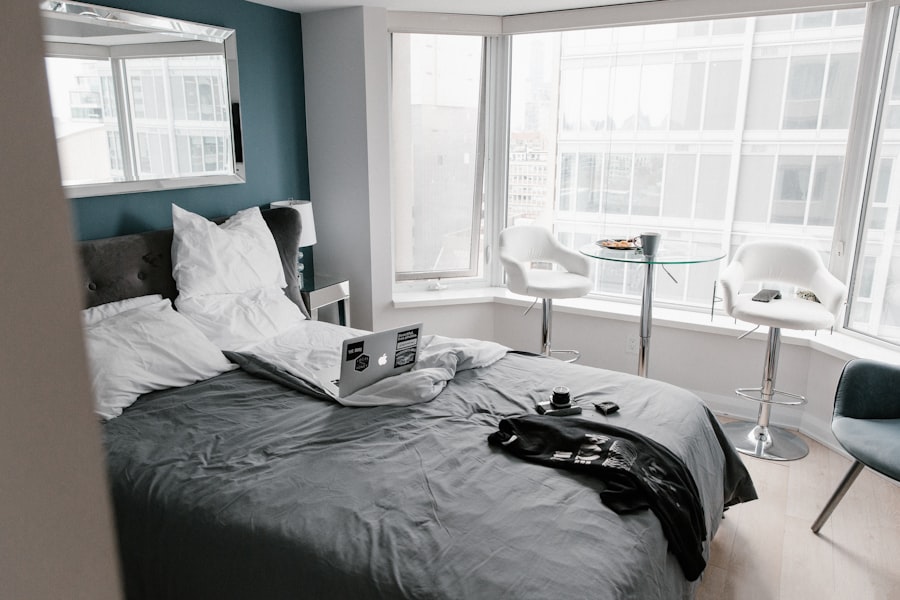
The number of rooms that a housekeeper can clean in a day is influenced by various factors, including the size and layout of the rooms, the level of cleanliness required, the availability of cleaning equipment and supplies, and the physical capabilities of the housekeeper. Employers must take these factors into consideration when setting work limits for their housekeeping staff to ensure that they are not overburdened with an unrealistic workload. The size and layout of the rooms can significantly impact the time it takes to clean each room.
Larger rooms or those with complex layouts may require more time and effort to clean thoroughly. Additionally, rooms that have not been properly maintained or require deep cleaning may also take longer to complete. Employers should assess these factors when determining the maximum number of rooms that a housekeeper can reasonably clean in a day.
Furthermore, the availability of cleaning equipment and supplies can affect a housekeeper’s efficiency. If housekeepers do not have access to high-quality cleaning tools and products, it may take them longer to complete their tasks. Employers should ensure that housekeeping staff have access to the necessary equipment and supplies to perform their duties effectively.
The physical capabilities of the housekeeper also play a crucial role in determining work limits. Some housekeepers may have physical limitations that affect their ability to perform certain tasks or work at a fast pace. Employers should take these limitations into account when assigning workloads to ensure that housekeepers are not placed under undue physical strain.
By considering these factors, employers can establish realistic work limits for their housekeeping staff that take into account the unique requirements of each property and the capabilities of their employees.
Health and Safety Concerns: Discussing the Impact of Excessive Cleaning on Housekeepers’ Health and Safety
| Health and Safety Concerns | Impact of Excessive Cleaning on Housekeepers |
|---|---|
| Physical Strain | Increased risk of musculoskeletal injuries due to repetitive movements and heavy lifting |
| Chemical Exposure | Higher likelihood of respiratory issues and skin irritation from prolonged contact with cleaning chemicals |
| Mental Health | Elevated stress and anxiety levels from intense workloads and pressure to maintain cleanliness standards |
| Workplace Safety | Greater potential for slips, trips, and falls due to wet surfaces and hurried cleaning practices |
Excessive cleaning can have a significant impact on the health and safety of housekeepers. The physical demands of cleaning multiple rooms in a day can lead to musculoskeletal disorders, fatigue, and injuries if proper work limits are not in place. Employers must prioritize the health and safety of their housekeeping staff by setting realistic work limits and providing adequate support to prevent these issues.
Musculoskeletal disorders are a common concern among housekeepers due to the repetitive nature of their tasks and the physical strain involved in lifting, bending, and reaching. Without proper work limits, housekeepers may be at risk of developing conditions such as back pain, shoulder injuries, and carpal tunnel syndrome. Employers should implement measures to prevent these disorders, such as providing ergonomic equipment, offering training on safe lifting techniques, and ensuring that work limits are reasonable.
In addition to physical health concerns, excessive cleaning can also take a toll on the mental well-being of housekeepers. The pressure to meet unrealistic workloads can lead to stress, anxiety, and burnout. Employers should be mindful of the psychological impact of excessive cleaning on their staff and take steps to promote a healthy work-life balance.
Furthermore, excessive cleaning can increase the risk of accidents and injuries in the workplace. Fatigued housekeepers may be more prone to slips, trips, and falls while performing their duties. Employers should prioritize safety by enforcing work limits that allow housekeepers to work at a manageable pace and take necessary breaks to rest and recharge.
By addressing these health and safety concerns, employers can create a supportive work environment that prioritizes the well-being of their housekeeping staff.
Industry Standards: Examining the Recommended Work Limits for Housekeepers in the Hospitality Industry
The hospitality industry has recognized the importance of setting work limits for housekeepers to ensure their well-being and the quality of service provided to guests. Industry standards have been established to guide employers in determining reasonable work limits for their housekeeping staff based on factors such as room size, cleanliness standards, and available resources. One common industry standard is the maximum number of rooms that a housekeeper should clean in a day.
This standard takes into account various factors such as room size, level of cleanliness required, and available support staff. For example, larger rooms or those requiring deep cleaning may be assigned a lower room limit to allow housekeepers to maintain high standards of cleanliness without overexerting themselves. Another industry standard relates to rest periods for housekeepers.
Employers are encouraged to provide adequate breaks for housekeeping staff throughout the day to prevent fatigue and promote recovery. These rest periods allow housekeepers to recharge and maintain their energy levels throughout their shift. Furthermore, industry standards often emphasize the importance of providing support staff or resources to assist housekeepers with heavy or time-consuming tasks.
By allocating resources effectively, employers can help housekeepers manage their workload more efficiently without compromising on quality. By adhering to industry standards for work limits, employers can demonstrate their commitment to providing a safe and supportive work environment for their housekeeping staff while maintaining high standards of cleanliness and service for guests.
Enforcement and Compliance: Addressing the Challenges of Enforcing and Complying with Work Limits for Housekeepers
Managing Fluctuating Demand for Cleaning Services
The volume of occupied rooms in a hotel or resort can vary from day to day, impacting the workload for housekeepers. Employers must be able to adjust work limits dynamically based on occupancy levels while ensuring that housekeeping staff are not overworked during peak periods.
Balancing Work Limits with Budgetary Constraints
Employers may face pressure to minimize labor costs while maintaining high standards of cleanliness. This can create tension between setting realistic work limits for housekeepers and meeting financial targets. Employers must find a balance between these competing priorities to ensure that work limits are both feasible for housekeeping staff and sustainable for the business.
Effective Communication and Coordination
Enforcing work limits requires effective communication and coordination among management, supervisors, and housekeeping staff. Clear guidelines must be established regarding work limits, rest periods, and support resources to ensure that all parties are aligned on expectations and responsibilities. By addressing these challenges proactively, employers can enhance compliance with work limits for housekeepers while maintaining operational efficiency within the hospitality industry.
Summarizing the Importance of Setting and Adhering to Daily Limits for Housekeepers to Ensure their Well-being and Quality of Work
In conclusion, setting a daily limit for housekeepers is crucial for protecting their well-being and ensuring high standards of cleanliness in the hospitality industry. Legal regulations provide guidance on work hours, rest periods, and occupational health and safety requirements that employers must adhere to when establishing work limits for housekeeping staff. Factors such as room size, cleanliness standards, available resources, and physical capabilities influence how many rooms a housekeeper can reasonably clean in a day.
Excessive cleaning can have adverse effects on the health and safety of housekeepers, leading to musculoskeletal disorders, fatigue, stress, and accidents if proper work limits are not in place. Industry standards recommend maximum room limits, rest periods, and support resources to assist housekeepers in managing their workload effectively while maintaining high service standards. Enforcing and complying with work limits presents challenges related to fluctuating demand, budgetary constraints, and communication within the organization.
However, by addressing these challenges proactively, employers can enhance compliance with work limits while maintaining operational efficiency within the hospitality industry. In summary, setting and adhering to daily limits for housekeepers is essential for protecting their well-being and ensuring high-quality service for guests. By prioritizing the health and safety of housekeeping staff through reasonable work limits, employers can create a supportive work environment that promotes employee satisfaction and operational excellence in the hospitality industry.
If you’re interested in learning more about the legal regulations surrounding employment and labor laws for housekeepers, check out this article on employment law. It may provide insight into the maximum number of rooms a housekeeper can clean per day and the rights and protections they are entitled to under the law.
FAQs
What is the law regarding the number of rooms a housekeeper can clean per day?
In the United States, there is no specific federal law that dictates the number of rooms a housekeeper can clean per day. However, individual states may have their own regulations or guidelines regarding workload limits for housekeepers.
Are there any industry standards for the number of rooms a housekeeper can clean per day?
The American Hotel & Lodging Association (AHLA) provides guidelines for the workload of housekeepers in the hospitality industry. These guidelines recommend a maximum workload of 14-16 rooms per day, depending on factors such as room size and level of cleanliness required.
What factors can affect the number of rooms a housekeeper can clean per day?
Several factors can affect the number of rooms a housekeeper can clean per day, including the size and layout of the rooms, the level of cleanliness required, the availability of cleaning supplies and equipment, and the physical capabilities of the housekeeper.
Can a housekeeper be required to clean more rooms than they are physically able to handle?
Employers have a legal obligation to provide a safe and healthy work environment for their employees. Requiring a housekeeper to clean more rooms than they are physically able to handle could potentially violate workplace safety regulations and lead to health and safety issues for the employee.
What should a housekeeper do if they are being asked to clean an unreasonable number of rooms per day?
If a housekeeper feels that they are being asked to clean an unreasonable number of rooms per day, they should first discuss their concerns with their supervisor or manager. If the issue is not resolved, they may consider reaching out to a labor rights organization or seeking legal advice.


