

Indiana traffic laws are in place to ensure the safety of all drivers, passengers, and pedestrians on the road. These laws cover a wide range of regulations, including speed limits, right of way, DUI and DWI laws, seat belt requirements, and cell phone usage while driving. It is important for all drivers to have a clear understanding of these laws in order to avoid violations and potential accidents.
One of the most basic traffic laws in Indiana is the requirement for all drivers to have a valid driver’s license and proper vehicle registration. Additionally, all vehicles must be equipped with functioning headlights, taillights, turn signals, and brake lights. It is also important for drivers to be aware of the rules regarding passing, turning, and merging on the road. Understanding and following these basic traffic laws is essential for safe and responsible driving in Indiana.
Key Takeaways
- Indiana traffic laws cover a wide range of regulations and rules that drivers must follow to ensure safety on the road.
- Speed limits are strictly enforced in Indiana, and reckless driving can result in severe penalties and consequences.
- Understanding right of way and traffic signals is crucial for safe and efficient traffic flow in Indiana.
- DUI and DWI laws in Indiana are strict, with severe penalties for those found driving under the influence of alcohol or drugs.
- Indiana has specific requirements for seat belt usage and child safety seats to protect passengers in vehicles.
Speed Limits and Reckless Driving
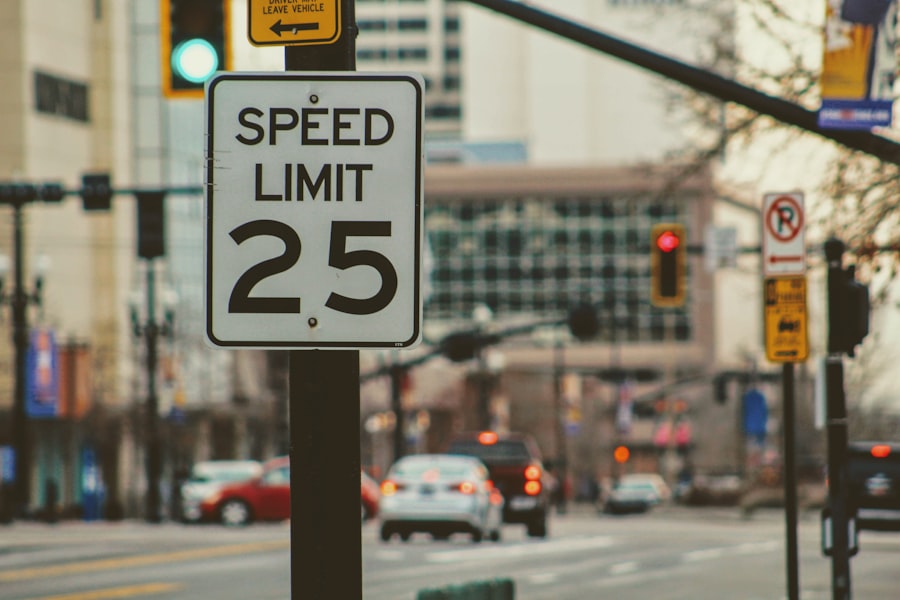
In Indiana, speed limits are set to ensure the safety of all drivers and pedestrians on the road. It is important for drivers to be aware of the posted speed limits on different types of roads, including highways, residential areas, and school zones. Exceeding the speed limit can result in a reckless driving citation, which can lead to fines, license suspension, and even jail time in severe cases.
Reckless driving is a serious offense in Indiana and is defined as driving with willful or wanton disregard for the safety of others. This can include excessive speeding, aggressive driving, and other dangerous behaviors behind the wheel. It is crucial for all drivers to adhere to the posted speed limits and to drive in a safe and responsible manner at all times.
Rules for Right of Way and Traffic Signals
Understanding the rules for right of way and traffic signals is essential for safe and efficient traffic flow in Indiana. Drivers must yield to pedestrians in crosswalks and at intersections, and must also yield to other vehicles when entering a roadway or making a turn. It is important for drivers to be aware of the different types of traffic signals, including red lights, green lights, and yellow lights, and to follow these signals accordingly.
Failure to yield the right of way or to obey traffic signals can result in serious accidents and injuries. It is crucial for all drivers to be attentive and cautious at intersections and to follow the rules for right of way at all times. By doing so, drivers can help prevent accidents and keep the roads safe for everyone.
DUI and DWI Laws in Indiana
| Category | Details |
|---|---|
| Blood Alcohol Concentration (BAC) Limit | 0.08% for drivers 21 and over |
| Implied Consent Law | Drivers are required to submit to a chemical test if suspected of DUI |
| First Offense Penalties | Up to 1 year in jail, up to 5,000 in fines, and license suspension |
| Ignition Interlock Device | May be required for repeat offenders |
| Underage DUI | BAC limit of 0.02% for drivers under 21 |
Driving under the influence (DUI) and driving while intoxicated (DWI) are serious offenses in Indiana and can result in severe penalties for those convicted. In Indiana, it is illegal to operate a motor vehicle with a blood alcohol concentration (BAC) of 0.08% or higher. Additionally, drivers under the age of 21 are subject to a zero tolerance policy for alcohol consumption while driving.
Penalties for DUI and DWI offenses in Indiana can include fines, license suspension, mandatory alcohol education programs, and even jail time for repeat offenders. It is crucial for all drivers to understand the risks and consequences of driving under the influence of alcohol or drugs, and to make responsible decisions behind the wheel.
Seat Belt and Child Safety Seat Requirements
Indiana law requires all drivers and passengers to wear seat belts while in a moving vehicle. Children under the age of 8 are also required to be secured in an approved child safety seat or booster seat. These laws are in place to protect occupants in the event of a collision and to reduce the risk of serious injuries or fatalities.
Failure to wear a seat belt or to properly secure a child in a safety seat can result in fines and penalties for drivers. It is important for all drivers to ensure that all occupants in their vehicle are properly restrained at all times, regardless of the distance being traveled. By doing so, drivers can help prevent injuries and save lives in the event of an accident.
Cell Phone and Texting Laws
In Indiana, it is illegal for drivers to use a handheld cell phone or to text while operating a motor vehicle. This law is in place to reduce distractions behind the wheel and to improve overall road safety. Drivers are allowed to use hands-free devices while driving, but must refrain from any manual use of their cell phone while the vehicle is in motion.
Violating cell phone and texting laws can result in fines and penalties for drivers. It is important for all drivers to prioritize their attention on the road and to avoid distractions such as cell phone use while driving. By doing so, drivers can help prevent accidents and keep the roads safe for everyone.
Consequences for Violating Indiana Traffic Laws
Violating Indiana traffic laws can result in a range of consequences for drivers, including fines, license suspension, mandatory traffic school, and even jail time in severe cases. It is important for all drivers to understand the potential penalties for traffic violations and to make responsible decisions behind the wheel.
In addition to legal consequences, traffic violations can also result in increased insurance premiums and a tarnished driving record. It is crucial for all drivers to prioritize safe and responsible driving at all times in order to avoid violations and potential accidents on the road.
In conclusion, understanding Indiana traffic laws is essential for all drivers in order to ensure safe and responsible driving on the road. By adhering to speed limits, right of way rules, DUI laws, seat belt requirements, cell phone usage laws, and other traffic regulations, drivers can help prevent accidents and keep the roads safe for everyone. It is important for all drivers to stay informed about current traffic laws and to make responsible decisions behind the wheel in order to promote overall road safety in Indiana.
If you’re interested in learning more about Indiana traffic laws, you may also want to check out this article on legalgetaway.com for additional information and resources.
FAQs
What are some common traffic laws in Indiana?
Some common traffic laws in Indiana include obeying speed limits, using turn signals when changing lanes or turning, stopping at red lights and stop signs, and yielding to pedestrians.
What are the consequences for violating traffic laws in Indiana?
Consequences for violating traffic laws in Indiana can include fines, points on your driving record, license suspension, and even jail time for more serious offenses.
Are there specific laws for distracted driving in Indiana?
Yes, Indiana has specific laws against distracted driving, including texting while driving. It is illegal for drivers to use a handheld device to type, transmit, or read a text message while operating a moving vehicle.
What are the penalties for driving under the influence (DUI) in Indiana?
Penalties for driving under the influence in Indiana can include fines, license suspension, mandatory alcohol education or treatment programs, and even jail time for repeat offenses or particularly high blood alcohol levels.
Are there any specific laws for seat belt usage in Indiana?
Yes, Indiana has laws requiring all drivers and passengers to wear seat belts while the vehicle is in motion. Failure to do so can result in fines and points on your driving record.


